

A diversity and inclusion primer
Diversity and inclusion are more than an HR policy—they are part of an organization’s fabric. But what does this look like in action?
“Diversity and inclusion” sounds like one of those HR phrases that may be an organizational “nice to have,” but isn’t necessarily a must have. That couldn’t be further from the truth! Diversity and inclusion should be fundamental to an organization for many reasons, not the least of which is its bottom line.
What is diversity and inclusion?
Diversity and inclusion are essentially two sides of the same coin. Diversity is about the mixture of differences and similarities, while inclusion is about recognizing the needs of these diverse individuals or groups.

“Diversity and inclusion are about bringing value to people’s lived experiences,” says Shafana Mitha CPA, CMA, Acting Senior Financial Officer and Executive Director at the Government of Alberta. “In the workplace, enabling a person’s experiences to be valued, respected, and appreciated—particularly because of their diverse background—is what makes workplaces inclusive.”
According to a 2016 study from the Australian Institute of Company Directors, attempting diversity without also having an inclusive culture doesn’t cut it. Organizations with an inclusive culture are:
- 2x as likely to meet or exceed financial targets
- 3x as likely to be high-performing
- 6x as likely to be innovative and agile
- 8x as likely to achieve better business outcomes
There are many reasons for an organization to embrace and uphold diversity and inclusion—higher productivity, innovation, and retention are just a few. When employees are empowered to be themselves, they are more likely to show up and be productive.
What does diversity and inclusion look like in the accounting and professional worlds?
In many organizations, however, diversity and inclusion can amount to little more than a policy on HR’s desk. Policies can set the tone for an organization, but it’s even more important to ensure diversity and inclusion are completely enmeshed in the culture.

“Starting with the board and the senior management, they really have to believe that there is value in diversity and inclusion so it goes beyond having policies,” says Theresa Jang FCPA, FCA, CFO at Stantec. “And it has to be authentic.”
In accounting—and most professions—diversity and inclusion have not always been part of the culture. “It wasn’t something that ever came up early in my career,” recalls Theresa. “[Now], it’s become part of the dialogue…. It’s been surfaced, and it’s talked about a lot more, and I have to believe that as a result, there’s been some progress made.”
Shafana would agree: “The function or the role of the profession is already changing constantly, so what employees need, the type of lived experiences they have—that’s changing at the same time.
“You’re seeing how hiring is changing, in terms of looking at what types of lived experiences organizations really need. For example, is there someone who can think from a different perspective about how an economic downturn is going to impact financial reporting or priorities in forecasting?”
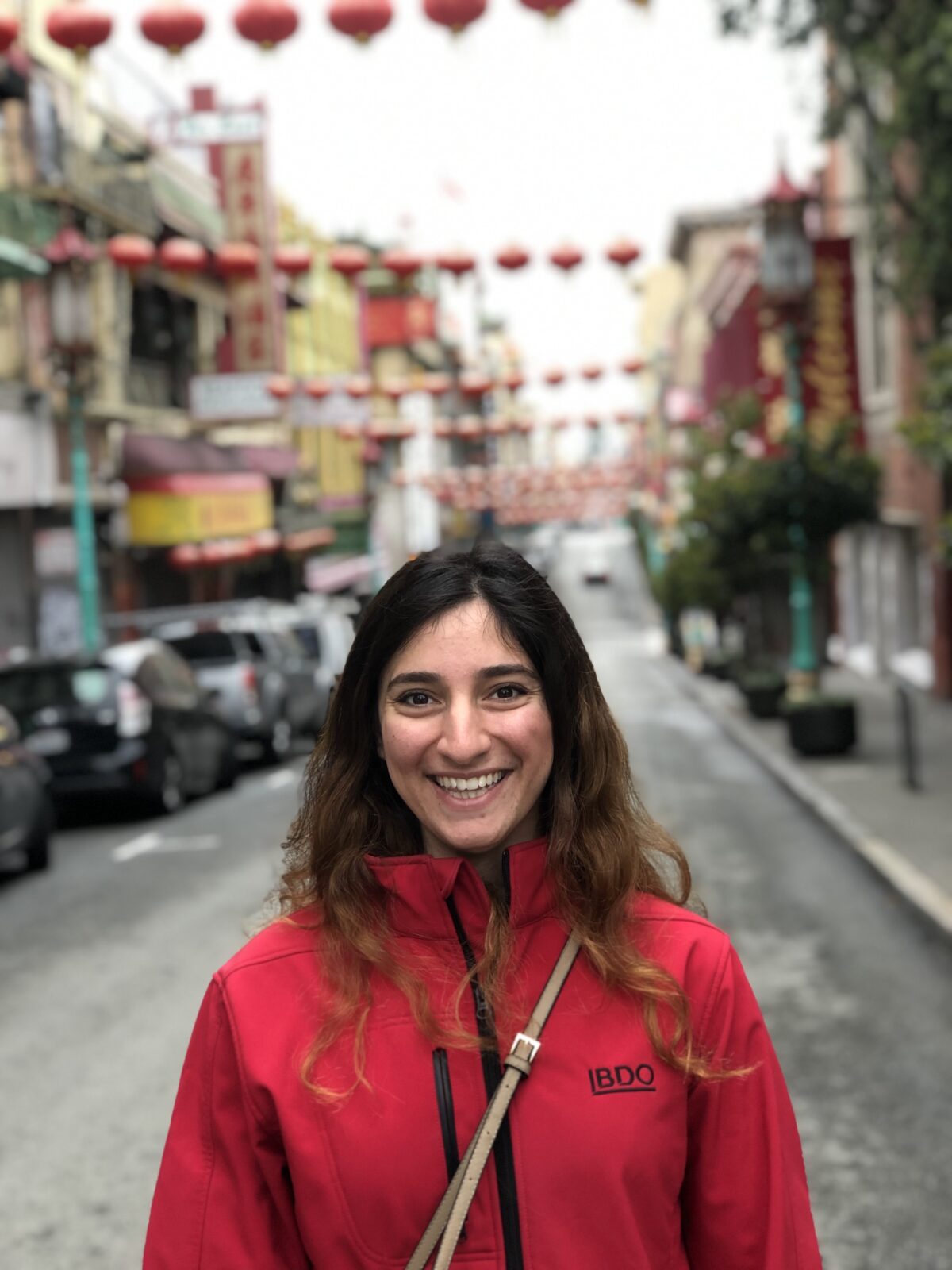
Mina Church CPA, a Senior Accountant at BDO who has only been working professionally for less than four years, says that even in her time, she’s seen a lot of change. “In just these years, things have shifted,” she says. “Now we get emails weekly regarding diversity and inclusion, and there are all these policies in place. [My firm is] very active in trying to ensure that everyone—doesn’t matter race, gender, etc.—is included. And if they’re not, we now have a diversity team employees can reach out to.”
How can someone determine if an organization is diverse and inclusive?
Younger generations—those who have recently entered the workforce or will be soon—are significantly more likely than previous generations to consider diversity and inclusion important factors when looking for a new job or being loyal to an organization, according to research from Deloitte, including the 2018 Deloitte Millennial Survey.
For those new to the professional world who want to ensure they work for an organization that aligns with their values, Theresa, Mina, and Shafana suggest doing a little bit of research on any potential employer:
- Study the job listing. Is there a statement or commitment related to diversity and inclusion? Is the language inclusive of different genders, cultures, abilities?
- Check their website. Do they have a diversity and inclusion policy? Is the board and/or senior leadership diverse?
- Look at their staff directory. Does it seem diverse? Does the organization appear to be following their policy?
- Read the press. Are there any red flags about this organization in regards to diversity and inclusion?
- Reach out to an individual at that organization. How do they feel about their employer’s diversity and inclusion efforts?
- Ask questions in the interview. What does the organization do to further diversity and inclusion? Do they offer ongoing training and development to all employees?
- Follow your instinct. Does this feel like a place you can bring your whole self to work? Do you feel like you’re going to have to be a different person to fit in with those you would be working with?