
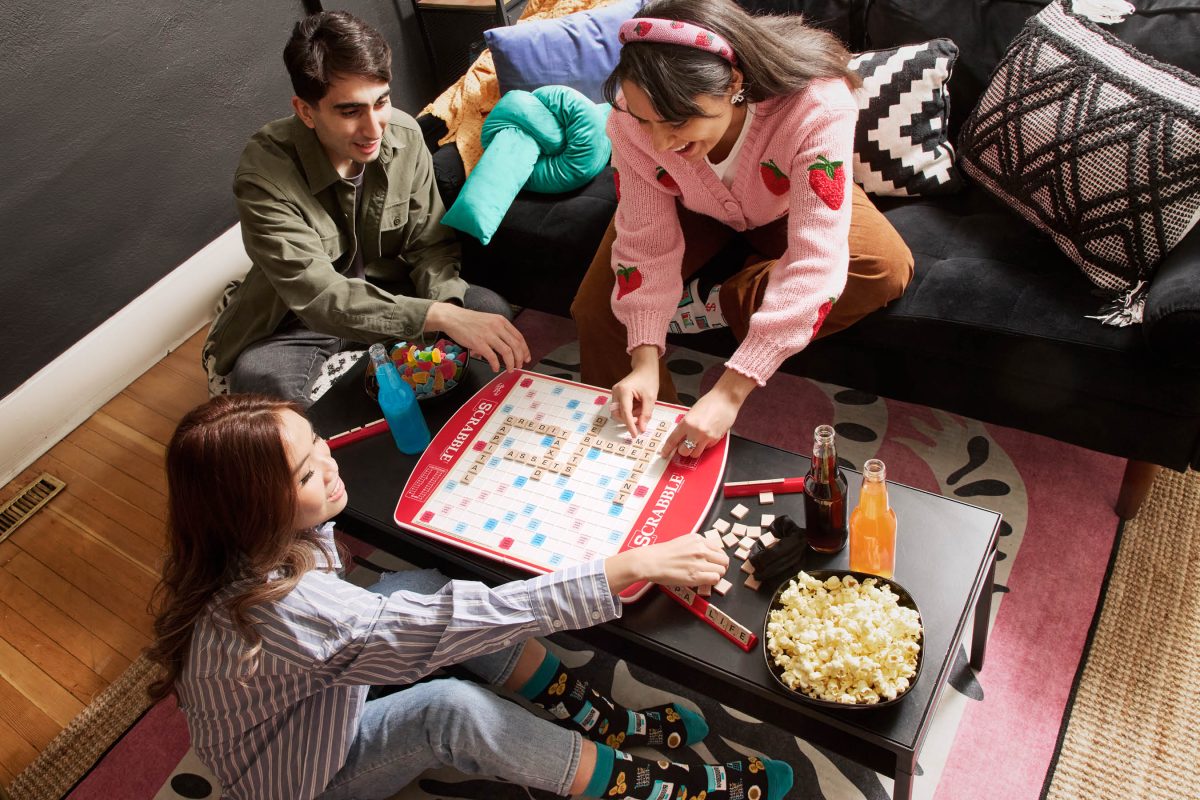
Humanity, Inc.
The future of work is often considered through a technology lens, but three CPAs share how work is evolving to support the humans behind the desk
When we talk about how work is evolving, we tend to think of technology—the machines, the artificial intelligence, the next invention we haven’t conceived of yet. But what about the other side? What does work look like as it evolves in a more human way, where employees are supported to bring their whole selves to the workplace?
Historically, the focus of work has been on one end goal: profit. In turn, employees could hopefully expect some job security, financial stability, and upward mobility. To make both sets of goals a reality, a person’s humanity often had to be set aside when they entered a cubicle or corner office. Today, work is about much more for many employees, and most aren’t willing to set their humanity aside for a job.

The human behind the numbers
Nicole Edge CPA, CA has spent a lot of time “talking about values and ethics and identity” as a former Associate Professor at Mount Royal University. Initially, Nicole was drawn to the profession for its security and clear direction, but they weren’t prepared for the culture shock of working in public practice while raising two small children.
It “prompted me to think a lot about ‘Why am I here? What am I doing?’” they say. “When we think about what effects we have as educated, privileged professionals in this world, understanding we have the ability to influence change that affects our socioeconomic cultural communities on a global basis is absolutely vital. It’s not just a spreadsheet with a bunch of numbers in it.”
On a less global scale, it is still imperative those toiling at computers in office towers stay connected to the impact their work has, says Michael Chui CPA, CMA, Developer and Lead in Cybersecurity at Okos. “The dollar incentives in the data point doesn’t actually represent the person,” he says. “I think a lot of people are looking at it from a perspective of just sitting in a room and mining for the data, but when you make recommendations, you have to be mindful of the people who are doing the work out front.”
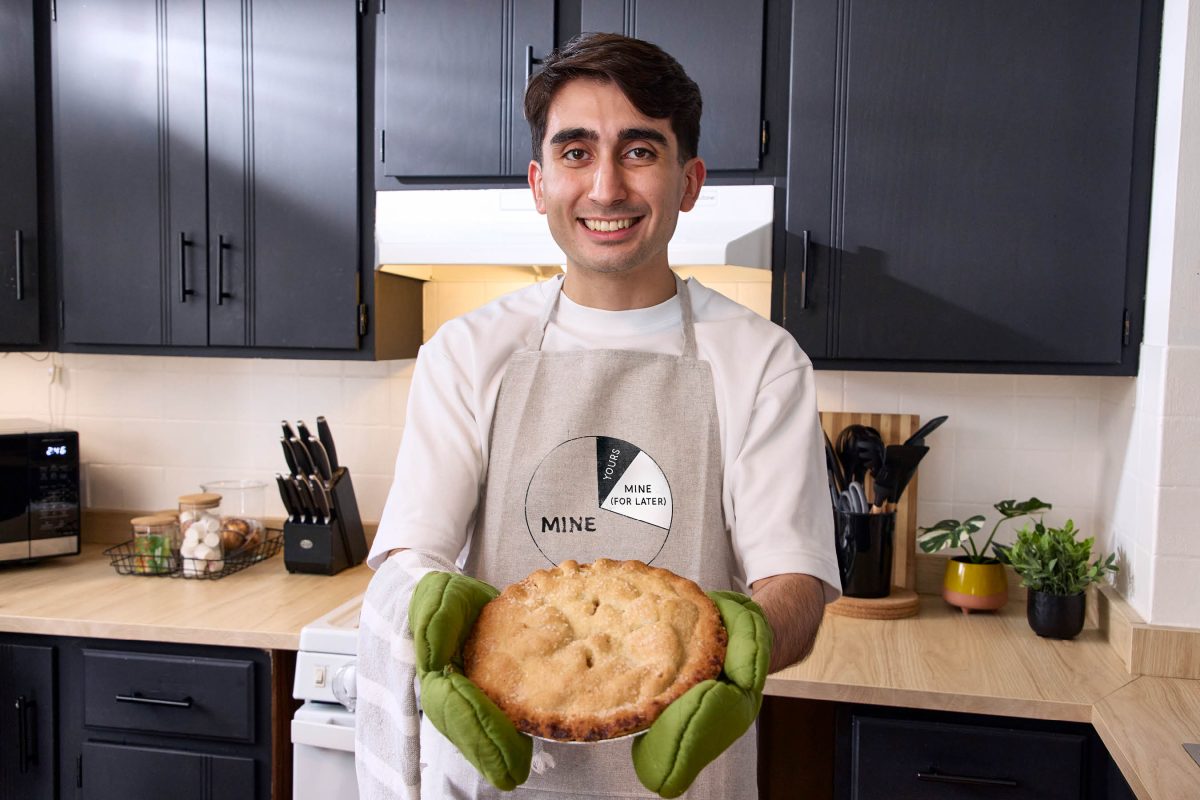
A balancing act
Michael, who became a CPA as a way to solidify his niche in tech, says it’s important that anyone looking for a workplace that aligns with their values asks some hard questions about their policies. At face value, a workplace may be supportive of work/life balance, but are their policies human-centred? Do they support their employees in their personal lives, such as with fulsome health and wellness benefits? “Do you feel like you’re being supported?” Michael asks. “If you’re not, then you have a decision to make.”
“The common trend I see from a lot of [future CPAs] is looking for balance in their life,” says Joe D’Angelo CPA, CA, Vice-president of Corporate and Financial Services at Kineticor. “The CPA profession can be very demanding, and it can very easily become your life. There’s no shame in that whatsoever, but I find there are a lot of individuals who want a fulfilling career, but they don’t necessarily want their career to just be their identity.”
Joe says he’s been lucky enough to find value alignment in his organization, and for him, that’s having the flexibility to see his two girls grow up. “Many are looking for somewhere they can show up and be their best self at work but also be mindful that they have a life they need to live outside of it,” he says. “You’re seeing an interesting balance in terms of what individuals are doing, and many are even forgoing financial opportunities in exchange for opportunities that will allow them to live the full life they’re hoping for.”
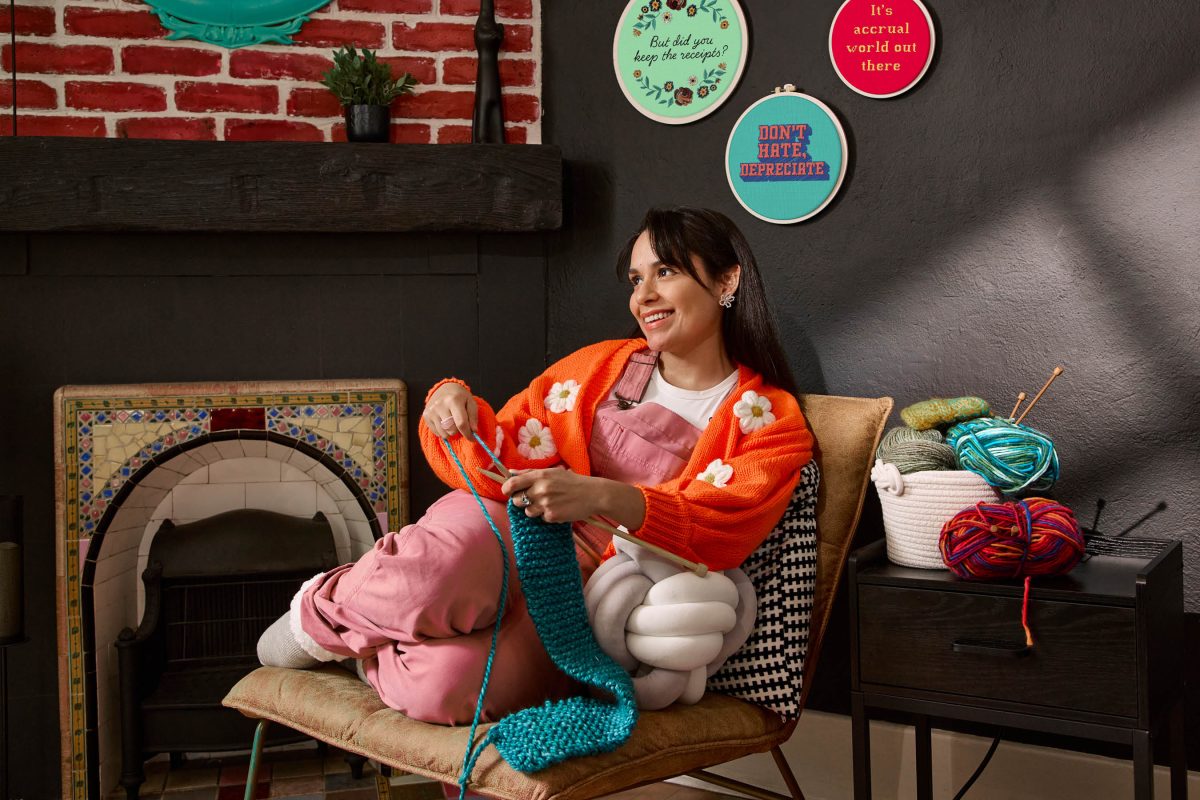
Forward momentum
Unfortunately, Nicole says they’ve seen the working world take a step or two back in its support for employees when it comes to this intricate balance. “The work-from-home push- back we’ve been seeing is a demonstration that we haven’t figured it all out yet,” they say. “There was a lot of ground I was really, really hopeful we could have made in being more inclusive, having work environments that enabled everyone to thrive in the profession, and I feel like we’ve lost a little bit of ground on that in the last year or so.”
But future CPAs are seeing enough opportunities in the profession to build the career—and the life—that suits them. “I think that’s a healthy position for the profession to be in,” Nicole says. “Folks are actually advocating for themselves and finding the roles that matter to them and realizing they’re not stuck doing something that doesn’t bring them a sense of purpose and meaning and satisfaction and joy, and all those other human connection things we need to have.”
“I’m seeing a shift,” says Joe. “I feel like it’s not just about business anymore; companies and organizations are focusing more on how to facilitate and support the individuals that are doing the work.”
Michael adds that not supporting initiatives that support the whole person, such as parental leave and incentivized daycare, can mean an organization is missing out on talented employees and diverse perspectives, which make an organization stronger and more resilient.
And it’s beneficial to the bottom line too. Joe’s organization has seen the lowest turnover rate it’s experienced in 10 years. “Valuing the individual and what they care about generally translated to more success and better output at work as a whole,” he says.

Finding alignment
Whether your definition of success is making enough money to retire at 40, finding a work/life balance that works for you, or something else altogether—it’s important to find a place that aligns with your goals and values.
Authenticity will always be your best trait. “Don’t try and be the person you think your employer or your profession needs you to be,” adds Joe. “You’re in the driver’s seat. It’s important to show up as your true self each and every day.”
Michael emphasizes a CPA designation is not the end point. It’s but one tool with which you can build your career. Opportunities abound once the door’s opened.
“Advocate for yourself. Spend time thinking about and evaluating what your values are, what your human needs are,” says Nicole. “Honouring yourself and giving yourself the space to do that is so important…. It’s the process of becoming a professional, which is an ongoing learning about the world, learning about yourself, and learning about your role in it.
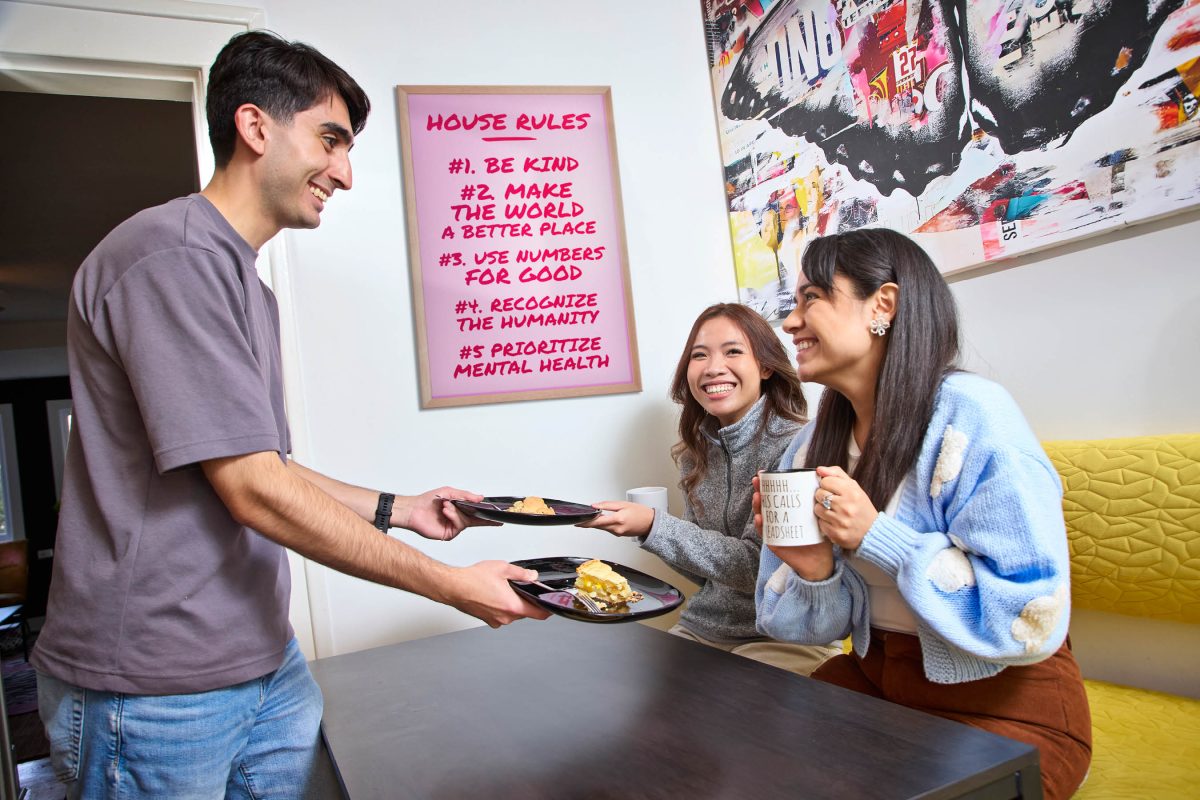
Thank you to our models and future CPAs: Vivian Mai, Faraz Zarghami-Jam, and Jacqueline Rodriguez.